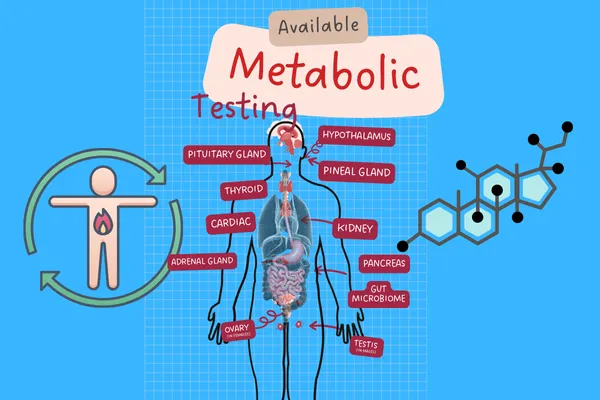
Functional Metabolic Testing
Functional Testing at CardioCore Metabolic Wellness Center
“The most advanced upstream testing most people never even knew existed — not even their doctor.”
John Sciales, M.D., Director
“Getting to the Core… the Path to Wellness — where being Healthy is Not an Accident.”
Most people think chronic disease “just happens.” They believe heart disease appears because of age, diabetes appears because of sugar, or weight gain happens because of willpower. But the truth is different. Most chronic disease builds quietly over years—sometimes decades—before it shows up as a heart attack, a new diagnosis of diabetes, fatty liver disease, high blood pressure, memory loss, or cancer risk.
At CardioCore Metabolic Wellness Center, we do not practice “late-stage medicine,” where we wait for a diagnosis and then react. We practice Functional Cardiometabolic Medicine, which means we look upstream for the hidden drivers that push the body toward disease. We focus on the deep biology: inflammation, insulin resistance, mitochondrial stress, hormone disruption, gut dysfunction, nutrient depletion, toxin overload, and the gene-environment patterns that shape how each person responds to life.
That is why our testing is so advanced. We are not satisfied with basic labs that offer a snapshot. We want a map—a map of your biology. We want to know what is happening in your cells, your hormones, your stress system, your immune system, your gut ecosystem, and your metabolic engine.
This is not testing for curiosity. It is testing for precision. The purpose is to build a plan that is targeted to you: your risks, your weak points, your needs, and your recovery potential. When we see how your genes, metabolism, hormones, and microbiome interact, we can build a strategy that is not generic, not “one-size-fits-all,” and not based on guessing.
Our goal is simple:
Uncover and correct root causes, not just manage symptoms—so you can move toward real, lasting health.
Why Functional Testing Matters (In Plain English)
In cardiometabolic disease, the body usually breaks down in a predictable pattern:
Insulin resistance rises years before blood sugar becomes “high.”
Inflammation rises before arteries narrow or plaques become dangerous.
Mitochondrial stress develops before fatigue, brain fog, and weight gain become obvious.
Hormone imbalance often builds before sleep problems, mood shifts, belly fat, and low energy appear.
Gut dysfunction can silently drive inflammation, immune dysfunction, cholesterol problems, and even neurotransmitter imbalance.
Standard medical care often detects disease late, when problems are already advanced. Functional testing allows us to detect dysfunction early—when the body can still recover, adapt, and heal.
1) Genetic Testing: The Most Comprehensive “Blueprint” You’ve Ever Seen
Genetic testing at CardioCore is not one or two “health genes.” It is a large, systems-level panel that looks across many biological pathways. In most clients, we are evaluating dozens of genetic variants across key systems—sometimes 60–100+ data points depending on the panel used.
Why so many? Because cardiometabolic health is not controlled by one gene. It is controlled by networks. Your genes influence how you process fats, handle sugar, detoxify chemicals, create inflammation, use vitamins, respond to stress, and recover from exercise. They also influence hunger signals, food cravings, circadian rhythm, and even how your brain responds to reward and satiety.
What we use genetic testing for
Genetic testing helps us answer questions like:
Are you more likely to hold onto triglycerides or small dense LDL particles?
Do you tend to inflame more easily under stress or poor sleep?
Are you genetically prone to insulin resistance or weight gain?
Do you have weak methylation pathways that raise homocysteine risk?
Do you detoxify well—or do you struggle to clear toxins and hormone byproducts?
Do you need more antioxidants and mitochondrial protection?
Will you respond better to endurance exercise or strength training?
Are you more sensitive to caffeine, alcohol, gluten, lactose, or certain fats?
Genes do not determine destiny, but they reveal pressure points—the areas where your body may need more support.
Examples of the genetic categories we evaluate
At CardioCore, genetic testing can examine multiple “domains,” such as:
A) Lipid Metabolism & Atherosclerosis Risk
We look at genes that affect cholesterol transport, triglyceride metabolism, HDL function, oxidative stress, and plaque vulnerability. Examples include:
APOE (including APOE4 risk patterns): influences lipid handling, oxidative stress burden, and vascular risk patterns.
APOC3: influences triglyceride metabolism and cardiovascular risk.
CETP: affects HDL metabolism and lipid exchange.
LPL: impacts clearance of triglycerides from circulation.
PON1: helps protect against atherosclerosis through HDL’s protective function.
This matters because heart disease is not just “cholesterol.” It is cholesterol plus inflammation, plus oxidation, plus insulin resistance, plus endothelial dysfunction.
B) Insulin Sensitivity & Weight Biology
We evaluate genes tied to glucose transport, insulin signaling, fat cell biology, and obesity susceptibility:
TCF7L2: strongly linked with glucose regulation and diabetes risk.
PPARG: influences fat cell behavior and glucose/lipid metabolism.
SLC2A2 (GLUT2): tied to glucose sensing and insulin secretion response.
FTO: associated with obesity susceptibility and type 2 diabetes risk patterns.
IRS1: part of insulin signaling communication inside cells.
This matters because insulin resistance can exist for years with “normal” glucose—yet it can drive plaque growth, blood pressure changes, and fatty liver.
C) Methylation & Homocysteine Pathways
We evaluate genes that control methylation, folate pathways, homocysteine recycling, and neurotransmitter methylation:
MTHFR (C677T / A1298C): impacts folate processing and methylation efficiency.
MTR / MTRR: supports B12-dependent recycling of homocysteine.
CBS: helps remove homocysteine through transsulfuration pathways.
COMT: involved in neurotransmitter breakdown and methylation demand.
MTHFD1: influences folate-dependent methylation function.
This matters because methylation affects cardiovascular risk (via homocysteine), detoxification capacity, neurotransmitter balance, and cellular repair.
D) Detoxification: Phase I and Phase II
We evaluate detox genes that affect how you process environmental toxins, smoke exposure, medications, and hormone metabolites:
CYP1A1: influences how certain toxins are converted to reactive intermediates.
CYP1A2: impacts caffeine metabolism (fast vs slow metabolizers).
GSTM1, GSTP1, GSTT1: key enzymes for glutathione-based detox pathways.
NQO1: involved in detoxifying reactive quinones and oxidative stress byproducts.
This matters because people who detox poorly can be more prone to oxidative stress, inflammation, hormone issues, and “mystery symptoms” that don’t show up on basic labs.
E) Antioxidant & Endothelial Health
We evaluate genes that influence oxidative stress defense and nitric oxide balance:
SOD2 (MnSOD): major mitochondrial antioxidant enzyme.
CAT: breaks down hydrogen peroxide.
GPx: selenium-dependent antioxidant protection.
eNOS: influences nitric oxide production and vascular tone.
This matters because oxidative stress and endothelial dysfunction are central to plaque instability and cardiometabolic disease progression.
F) Inflammation Signaling Genes
We evaluate inflammatory pathway leverage points, including:
CRP gene patterns
IL-1A, IL-1B, IL-1RN (key “switches” in the inflammatory cascade)
IL-6 and IL-6R (strong drivers of inflammatory signaling and CRP upregulation)
TNFA (a major pro-inflammatory cytokine pathway)
This matters because inflammation is not a vague concept. It is a measurable biological cascade that can be “turned up” by genetics, sleep loss, gut dysfunction, insulin resistance, and stress.
G) Vitamin & Mineral Handling
We evaluate genes for:
VDR, CYP2R1, GC (vitamin D metabolism and binding)
BCO1 (vitamin A conversion)
FUT2 (B12 absorption and transport)
HFE (iron overload/hemochromatosis risk patterns)
This matters because nutrient deficiencies can silently worsen energy production, inflammation, and metabolic dysfunction.
H) Food Tolerance, Behavior, and Circadian Biology
We evaluate patterns that impact real life:
HLA DQ2/DQ8 (celiac predisposition)
MCM6 (lactose intolerance tendency)
ALDH2 (alcohol metabolism sensitivity)
DRD2 (dopamine reward signaling, cravings)
TAS1R2 / TAS2R38 (taste sensitivity for sweet/bitter)
MC4R (satiety signaling)
CLOCK (circadian rhythm and sleep patterns)
This matters because sustainable health requires behavior change—and your biology influences behavior.
Bottom line: Genetic testing helps us stop guessing. It tells us what to watch for, what to support, and where your system may be most vulnerable.
2) Advanced Metabolomics: The “Under-the-Hood” Test of Your Metabolic Engine
If genetic testing is your blueprint, metabolomics is your live performance report.
Most people think of metabolism as “calories in, calories out.” But your metabolism is actually a massive web of pathways that turn food into energy, build neurotransmitters, clear toxins, and control inflammation. When these pathways slow down or jam up, the body adapts—often in unhealthy ways.
Advanced metabolomics evaluates hundreds of markers, often including:
Organic acids (energy pathway intermediates)
Amino acids (protein building blocks and neurotransmitter precursors)
Fatty acid metabolites (fuel switching and fat oxidation status)
Oxidative stress markers (damage signals)
Detox markers (how well you clear toxins and hormone byproducts)
Micronutrient functional markers (not just levels, but function)
This testing is one of the most powerful ways to understand:
Why someone is tired even if their CBC is “normal”
Why weight loss is stalled despite “eating right”
Why anxiety or depression persists despite therapy or medication
Why inflammation stays elevated
Why insulin resistance continues even with “okay” glucose
What we look for in metabolomics
We do not just “list markers.” We look for patterns. Examples:
A) Energy Production Bottlenecks
We examine key pathway outputs tied to the Krebs cycle and mitochondrial function (where real energy is made). If these are off, you may be living on “backup generators” instead of efficient cellular energy.
We look for signs of:
Poor mitochondrial output
Fuel inflexibility (can’t switch between fat and carbs smoothly)
Excess lactate patterns
Oxidative stress overload
B) Carbohydrate and Fat Metabolism Imbalance
We look for:
Signs of poor glucose utilization (early insulin resistance patterns)
Fat oxidation strain (your body relying too heavily on fat or failing to burn fat well)
Ketone patterns that suggest metabolic stress vs healthy flexibility
C) Amino Acid and Neurotransmitter Pathways
We evaluate building blocks for:
Serotonin pathways (calm, mood, sleep)
Dopamine and norepinephrine pathways (focus, drive, motivation)
GABA balance (calming neurotransmission)
Glutamate balance (excitatory load, “wired” state)
This is why metabolomics can connect metabolic dysfunction to brain symptoms—fatigue, brain fog, irritability, anxiety, sleep problems.
D) Nutrient Functional Deficiencies
Even if a vitamin level is “in range,” your metabolism may show functional deficiency—meaning the vitamin isn’t being used correctly.
We look for patterns suggesting need for:
B vitamins (B1, B2, B3, B6, folate, B12)
Magnesium support
Selenium support (for antioxidant enzymes)
Co-factor support for detox and mitochondria
E) Oxidative Stress & DNA Damage Signals
Markers like 8-OHdG are used as examples of oxidative DNA damage signals. This matters because oxidative stress drives:
Vascular damage
Plaque instability
Accelerated aging biology
Neurodegeneration risk patterns
Bottom line: Metabolomics tells us what is happening right now in your metabolic engine—where you are struggling, and what your body needs to regain energy and stability.
3) Hormones and Stress Testing: The Most Overlooked Driver of Cardiometabolic Disease
Most people think hormones only matter for sex drive or menopause. But hormones control almost everything:
blood sugar balance
blood pressure
sleep and recovery
fat storage patterns
inflammation
heart rhythm and vascular tone
mood and motivation
hunger and cravings
At CardioCore, hormone and stress testing goes far beyond “one blood test.” We evaluate patterns, metabolites, and daily rhythms, because many problems are hidden when you only measure one moment in time.
What we evaluate
Our expanded hormone testing commonly includes:
A) Cortisol Rhythm (the stress hormone curve)
Cortisol should follow a healthy daily rhythm: higher in the morning, lower at night. But many people develop distorted rhythms from chronic stress, poor sleep, insulin swings, inflammation, pain, and burnout.
We evaluate:
morning cortisol
mid-day cortisol
evening cortisol
nighttime cortisol
total cortisol output over the day
cortisol metabolite patterns (how cortisol is processed)
B) Cortisol Awakening Response (CAR): a “mini stress test”
The Cortisol Awakening Response is one of the most powerful markers of how the HPA axis is functioning. When you wake up, cortisol should rise quickly (often around 30–60 minutes) and then begin to decline.
A blunted CAR can suggest:
burnout / underactive stress response
chronic fatigue patterns
sleep apnea or poor sleep quality
PTSD or chronic pain
immune and inflammatory strain
An exaggerated CAR can suggest:
anticipatory stress (waking up already stressed)
blood sugar dysregulation
chronic inflammation
pain-driven stress signaling
overactive HPA axis response
This is the difference between “normal cortisol” and normal-looking cortisol that is still dysfunctional.
C) DHEA and adrenal balance
DHEA is an adrenal hormone tied to resilience, recovery, immune balance, and sex hormone support. Chronic stress can push DHEA down even when cortisol looks “okay.”
D) Sex hormones and their metabolites
We evaluate major sex hormones and how the body breaks them down:
Estrogen (and estrogen metabolites)
Progesterone
Testosterone (and androgen metabolites)
Why metabolites matter: Two people can have the same estrogen level, but very different estrogen breakdown patterns—one pattern may be more inflammatory or risky, another more protective. This matters for weight gain, mood, sleep, and long-term cancer risk patterns.
E) Melatonin and sleep biology
Sleep is not optional; it is metabolic medicine. When melatonin patterns are impaired, we often see:
insulin resistance
higher inflammation
higher blood pressure patterns
worse appetite signaling and cravings
Bottom line: Hormone and stress testing explains why many people feel “off” even when basic labs look fine. It helps us correct the stress-metabolism-hormone cycle that drives cardiometabolic disease.
4) Gut Microbiome & Gut Barrier: The Hidden Command Center
Most people think the gut is just about digestion. But the gut is one of the most important regulators of whole-body health. Your microbiome (the ecosystem of bacteria and other organisms living in your intestines) influences:
inflammation and immune activation
cholesterol and bile acid metabolism
blood sugar control and insulin sensitivity
gut barrier integrity (“leaky gut”)
neurotransmitter production and brain chemistry
detoxification and hormone recycling
risk patterns for autoimmune and neurodegenerative disease
The gut is where the immune system “meets the world.” If the gut is inflamed, infected, imbalanced, or leaky, your whole body can become inflamed—even if you are eating “healthy.”
Stool analysis provides valuable insights into the gut microbiome, a complex ecosystem comprising trillions of microorganisms residing in the large intestine. This microbiome, weighing approximately 1.5 kg, includes diverse microorganisms such as bacteria, viruses, protozoa, fungi, and protists, methane-producing organisms. Each individual's microbiome is unique, shaped by factors like genetics, age, diet, health status, environment, medications, exposure to animals and people, and mode of birth. The microbiome works synergistically with the body, performing essential functions like protecting against pathogens, modulating the immune system, facilitating nutrient and vitamin absorption, regulating glucose and lipid metabolism, maintaining gut barrier integrity, influencing hormone and neurotransmitter production, and modulating inflammation. Furthermore, members of the microbiome synthesize vitamin K, several B vitamins including folate (Vitamin B9), and vitamin B12. They also produce short chain fatty acids (SCFAs) by fermentation of otherwise non digestible carbohydrates. SCFA provides an energy source for intestinal cells, maintain gut barrier integrity, modulate immune response and influences gene expression affecting various cellular processes.
A well balanced microbiome is ideal and dysbiosis refers to a disruption of this normal balance. Dysbiosis has been linked to the increasing prevalence of chronic diseases. These include metabolic disorders - insulin resistance/diabetes mellitus type 2, digestive problems, systemic inflammation with activation of cytokines , immune system dysfunction, neurodegenerative disorders, obesity, autoimmune disorders and even cancer.
What we look for
Our gut testing evaluates multiple layers:
A) The microbiome balance
We assess:
beneficial bacteria levels
imbalanced bacteria (dysbiosis)
overgrowth patterns
yeast/fungal patterns
pathogenic bacteria
parasites when indicated
B) Digestion and absorption capacity
Many people are “well-fed but under-nourished.” If digestion is weak or absorption is impaired, you can have:
nutrient deficiencies
fatigue
anemia patterns
low protein utilization
inflammation from undigested food and immune activation
We evaluate markers of:
digestion strength
absorption
pancreatic enzyme sufficiency patterns
gut inflammation effects on nutrient uptake
C) Inflammatory markers in the gut
Markers like:
calprotectin
lactoferrin
lysozyme
help us differentiate between:
significant inflammatory bowel patterns
milder inflammatory patterns that still drive symptoms and systemic inflammation
D) Gut immune defense: secretory IgA (sIgA)
sIgA is a key marker of immune defense in the gut. When sIgA is low, the gut is more vulnerable to infections and dysbiosis. When it is overly high, it can reflect immune over-activation. Either pattern can contribute to chronic inflammation.
E) Gut barrier dysfunction (“leaky gut”)
A compromised barrier means larger particles, toxins, and bacterial fragments can cross into the bloodstream. This can drive:
systemic inflammation
insulin resistance
autoimmune activation
brain inflammation and mood issues
This is one of the most common “upstream” triggers of chronic inflammation.
Why this matters for cholesterol, blood sugar, and brain health
The gut helps regulate bile acids and cholesterol metabolism. It also helps set the tone for insulin sensitivity through inflammatory signaling and short-chain fatty acid production. When the microbiome is unhealthy, the body often shifts into a more inflamed, insulin-resistant state.
The gut also affects brain chemistry through:
neurotransmitter building blocks
inflammation signaling to the brain
gut-brain axis communication
That is why gut dysfunction is increasingly linked to:
depression and anxiety
brain fog
neuroinflammation
long-term risk patterns for dementia and neurodegenerative disease
Bottom line: The gut is not a side issue. For many people, it is the driver.
How We Turn Testing Into a Precision Plan
Testing is not the goal. Recovery is the goal. The reason our testing is so extensive is because we want to build a plan that is:
targeted
measurable
personalized
trackable over time
based on physiology, not guesswork
Depending on your results, your plan may include:
personalized nutrition strategy (macros + food quality + timing)
targeted supplementation (based on what your metabolism actually needs)
exercise programming based on genetic response and recovery needs
sleep biology optimization
gut restoration protocols
stress physiology recovery plan
cardiometabolic risk reduction strategy built around inflammation and insulin resistance, not just cholesterol numbers
This is what makes CardioCore different. We are not simply a clinic that “orders more labs.” We are a clinic that uses advanced science to build precision medicine for real life.
The Bigger Picture: Why This Matters for Long-Term Disease Prevention
At CardioCore, we recognize that many chronic diseases share the same upstream terrain:
insulin resistance
chronic inflammation
mitochondrial dysfunction
hormone imbalance
gut dysfunction and immune dysregulation
These drivers are strongly connected not only to:
heart disease
diabetes
lipid disorders
obesity
but also to broader chronic illness patterns including:
neurodegenerative diseases (like dementia and Parkinson’s)
immune dysfunction and autoimmunity
chronic fatigue patterns
cancer risk terrain
By addressing the terrain early, we aim to shift a person’s health trajectory—before disease becomes irreversible.
Closing Message
If you want “basic labs,” many places can provide them. But if you want to understand why your body is struggling—and you want a plan built around your biology—this is what CardioCore is designed to do.
We do not settle for surface-level medicine. We go upstream. We find the hidden drivers. We build precision plans. And we help patients move toward real, sustainable health.
Getting to the Core… the Path to Wellness — where being Healthy is Not an Accident.
Functional Medicine Approach to Health
Using advanced laboratory testing, I develop tailored treatment plans that address your unique symptoms and needs. By applying my knowledge of medical physiology, cellular processes, and the root causes of chronic disease, I create scientific, holistic and natural strategies to optimize your health. By targeting the underlying drivers of illness, attacking the root causes, we can proactively work to mitigate or even reverse chronic conditions. This journey requires commitment and dedication from you. As your guide and coach, I'll support you in making lifestyle changes in nutrition, exercise, stress management, sleep hygiene, and spirituality to achieve lasting results. Together, we'll work towards restoring your health and well-being.
“It is possible to effect the expression of the Genetic information, each one of us has, through the complex interaction with Nutrition, Exercise, Stress Management & Socialization including such factors as Sleep Hygiene”
…CardioCore Metabolic Wellness Center
CLICK HERE TO BOOK A DISCOVERY CALL
BOOK HERE TO JOIN OUR PRIVATE CardioCore COMMUNITY
CLICK HERE TO SPEAK TO OUR VIRTUAL ASSISTANT
