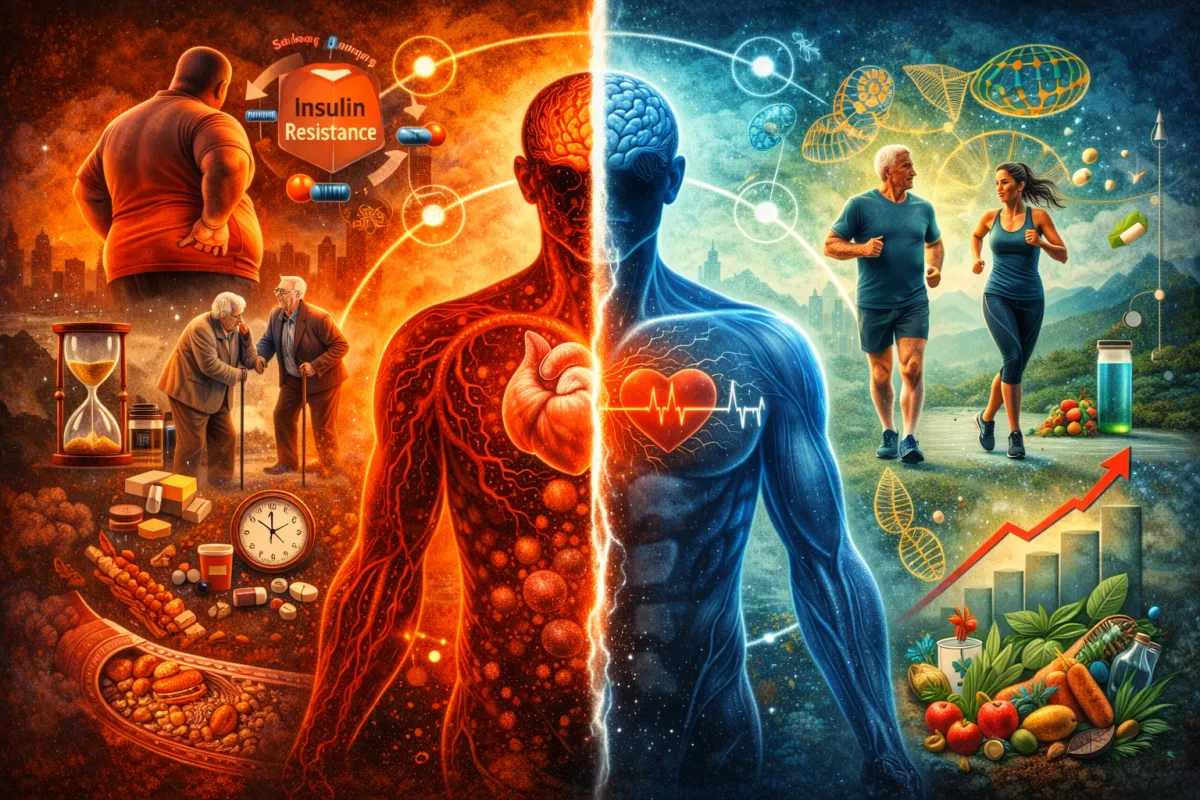
The Foundations of Longevity: Why Living Longer Is Not the Same as Living Well
Longevity: The Science of Staying Alive
The Driving Forces Behind Lifespan, Healthspan, and Metabolic Resilience
⚠️ Warning
Do not read this article unless you are prepared to make serious, sustained change.
This is not advice.
It is not reassurance.
And it is not optional biology.
This is a systems manifesto for Healthspan, written for those willing to think rigorously, act decisively, and abandon comforting myths about aging.
If you are looking for shortcuts, validation, or someone to tell you that decline is inevitable, stop here.
But if you are ready to govern your biology rather than negotiate with it, read on.
Why This Article Exists — And Why It’s Long
If you’ve ever been told your labs are “normal” but you don’t feel well…
If your weight is creeping up despite doing “the right things”…
If fatigue, brain fog, poor sleep, rising blood pressure, cholesterol, blood sugar, inflammation, or plaque seem to be appearing earlier than they should…
If you’re worried about heart disease, diabetes, cognitive decline, or losing independence as you age…
This article was written for you.
Most longevity conversations focus narrowly on how long we live.
This one focuses on how long... and how well we live, and why so many people now spend the last 10 - 20 years managing chronic disease instead of living with strength, clarity, and independence.
This is not a quick read, and that’s intentional.
The forces driving modern aging are not simple, and they cannot be explained honestly in sound bites, supplement lists, or “one weird trick” solutions. Longevity is not a pill, a protocol, or a biohack. It is the long-term story of how your body regulates energy, inflammation, stress, repair, and adaptation over decades.
"This article is long because it does what most health content avoids: it connects metabolism, inflammation, muscle, mitochondria, sleep, stress physiology, vascular biology, the microbiome, and environment into a single, integrated system that ultimately determines how we age over time".
The Foundations of Longevity
Longevity has become one of the most discussed goals in modern medicine, public health, and wellness culture. We are surrounded by conversations about living to 100, reversing aging, and extending lifespan through innovation and technology. Yet beneath the enthusiasm lies a fundamental misunderstanding of what longevity actually represents, and why, despite unprecedented medical advances, health often deteriorates as life is prolonged.
Over the last century, human lifespan has increased dramatically. Infant mortality has plummeted. Infectious diseases that once devastated populations are now preventable or treatable. Advances in sanitation, antibiotics, obstetrics, trauma care, and surgery have saved countless lives. As a result, more people are reaching older age than at any point in history.
But here is the uncomfortable truth: while we have extended how long people live, we have not meaningfully improved how well they live during those additional years. The longevity curve has flattened at the upper end. More people are reaching their 70s, 80s, and even 90s, yet the outer boundary of human lifespan has shifted only modestly, remaining largely capped around the ninth or tenth decade of life (5–8). Meanwhile, the years leading up to that ceiling are increasingly marked by chronic disease, functional decline, cognitive impairment, fatigue, and polypharmacy.
This exposes a critical flaw in how longevity is commonly defined.
Lifespan vs Healthspan: A Necessary Distinction
Lifespan refers simply to the number of years a person remains alive. Healthspan, by contrast, refers to the number of years lived with physical strength, metabolic stability, cognitive clarity, emotional resilience, and functional independence (1–4).
Longevity without healthspan is a hollow victory. Living longer while spending the final 10 to 20 years burdened by cardiovascular disease, diabetes, neurodegeneration, chronic pain, or loss of independence is not a meaningful extension of life, it is a prolongation of decline. This concern was articulated decades ago in the concept of the “compression of morbidity,” which argued that the goal of medicine should not merely be longer life, but shorter periods of disability at the end of life (1).
If longevity is the destination, healthspan is the journey. And it is along that journey that modern medicine has struggled.
The Flattened Longevity Curve
Historical gains in longevity largely reflect reductions in early mortality, not improvements in biological aging. Sanitation, clean water, vaccination, antibiotics, and safer childbirth dramatically shifted average lifespan upward by preventing premature death. These advances altered population statistics, but they did not fundamentally change the biology of aging.
When examined closely, maximum human lifespan has not increased in parallel with average lifespan (5–7). While survival curves have become more rectangular, with more people living closer to the upper limit, the limit itself has remained relatively fixed. This suggests that modern medicine has been extraordinarily successful at preventing early death, yet far less successful at slowing the intrinsic processes that drive aging and late-life decline.
The result is an expansion, not a compression, of morbidity for many individuals (6). Chronic disease has become the dominant experience of aging. Conditions such as cardiovascular disease, metabolic dysfunction, musculoskeletal degeneration, cancer, and neurocognitive decline are no longer viewed as exceptional; they are expected features of later life.
Fatigue becomes “normal aging.” Weight gain becomes “inevitable.” Cognitive slowing becomes “just getting older.” These assumptions quietly lower expectations for what aging can look like.
But these outcomes are not simply a function of time. They are the consequence of how the body produces and regulates energy over decades.
Longevity Is an Energy Story
Longevity is best understood through the lens of energy production. The human body is not a static structure; it is a dynamic system that must continuously generate, allocate, and regulate energy to sustain life. Every heartbeat, muscle contraction, neural impulse, immune response, and cellular repair process depends on efficient energy production.
A useful analogy is that of a car. Two cars may both be running, but one operates with clean fuel, efficient combustion, and minimal wear on the engine, while the other runs with clogged filters, inefficient fuel use, excessive exhaust, and constant warning lights. From the outside, both vehicles may still move forward. Internally, however, their trajectories are vastly different.
Traditional medicine tends to focus on the warning lights, elevated blood pressure, rising blood sugar, abnormal cholesterol, inflammatory markers. These indicators are important, but they are late signals. They reflect downstream consequences of dysfunction that has been developing quietly under the hood for years.
Longevity is not determined by how many warning lights can be suppressed. It is determined by how efficiently the engine functions over time.
Biologically, that engine consists of mitochondrial function, fuel utilization, insulin signaling, oxidative stress balance, and inflammatory tone (9–13). When these systems are optimized, energy is produced efficiently with minimal cellular damage. When they are impaired, energy production becomes inefficient, inflammation rises, and aging accelerates.
Seen through this lens, aging is not merely the accumulation of years, it is the cumulative effect of inefficient energy metabolism and chronic biological stress.
Metabolic Dysfunction, Inflammation, and Aging
Aging is increasingly recognized as a state of chronic, low-grade inflammation, a phenomenon termed “inflammaging” (14,18). This inflammatory milieu is closely linked to metabolic dysfunction, particularly insulin resistance, altered lipid handling, and mitochondrial inefficiency (15–17).
Insulin resistance, in particular, plays a central role. While insulin is essential for acute energy storage and survival, chronic hyperinsulinemia drives inflammation, vascular dysfunction, altered lipid metabolism, and impaired cellular repair. These processes contribute directly to cardiovascular disease, metabolic syndrome, neurodegeneration, and accelerated biological aging (16,17).
Importantly, these changes develop long before overt disease appears. By the time glucose levels rise or a diagnosis is made, metabolic and inflammatory damage has often been accumulating for decades.
Why Disease-Centered Medicine Falls Short
Modern medicine excels at diagnosing and treating disease once it becomes clinically apparent. It is extraordinarily effective at acute rescue and symptom suppression. But longevity is not determined at the moment a diagnosis is made. It is determined during the long, silent period of dysregulation that precedes disease.
A disease-centered model is inherently reactive. It waits for thresholds to be crossed, blood sugar high enough to label diabetes, blood pressure high enough to diagnose hypertension, plaque advanced enough to cause symptoms. By the time these thresholds are reached, the underlying biological processes have often been active for years or decades (24–27).
This explains why so many individuals are told they are “fine” until suddenly they are not.
Longevity cannot be built on late-stage interventions.
It requires early recognition of system-level dysregulation and a shift from treating outcomes to regulating the underlying biology.
Longevity as a Systems Problem: How Regulation Fails Long Before Disease Appears
If longevity is not merely about how long we live but how well we function over time, the next question is unavoidable: why does healthspan erode so predictably in modern life? The answer is not found in any single organ, diagnosis, or laboratory value. Aging is not an organ problem at all. It is a systems problem.
Modern medicine is organized around organs and specialties. This structure works well for acute disease and discrete pathology. But aging does not respect these boundaries. By the time disease manifests in a single organ system, multiple regulatory networks have already drifted out of balance. Cardiovascular disease, diabetes, dementia, cancer, and frailty are not independent failures, they are late-stage expressions of upstream dysregulation that has been unfolding quietly for years, often decades (1–3).
Human physiology is governed by integrated regulatory networks designed to maintain internal stability in the face of constant external change. These systems, metabolic, inflammatory, vascular, neuroendocrine, circadian, immune, musculoskeletal, and psychosocial, are deeply interconnected. They communicate continuously, compensating for stress in one domain by adjusting activity in another. This capacity for compensation is essential for survival, but it comes with a cost.
Chronic Compensation: When Survival Mechanisms Become Aging Drivers
When stress becomes chronic, adaptive responses that were meant to be temporary become permanent. Elevated cortisol maintains blood sugar during acute stress, but chronically it drives insulin resistance, visceral fat accumulation, sleep disruption, and immune dysfunction. Insulin resistance preserves glucose delivery to the brain during scarcity, but over time it damages blood vessels, promotes inflammation, and impairs cellular repair. Inflammation enhances immune defense during injury or infection, but when sustained, it degrades tissues and accelerates degenerative disease. These are not malfunctions, they are adaptive systems pushed beyond their design limits (4–6).
Aging, therefore, is best understood as the cumulative burden of chronic compensation across multiple systems.
Insulin Signaling and Metabolic Flexibility as Central Regulators
At the center of this process lies metabolic regulation, particularly insulin signaling. Insulin is not merely a glucose-lowering hormone; it is a master regulator of energy storage, fuel utilization, and cellular growth. In a healthy state, insulin rises transiently after meals and falls during fasting, allowing the body to switch flexibly between glucose and fat as fuel sources. This metabolic flexibility is a hallmark of resilience.
With chronic overnutrition, physical inactivity, sleep disruption, and stress, insulin signaling becomes distorted. Cells respond less effectively, prompting the pancreas to produce more insulin to achieve the same effect. The result is hyperinsulinemia, often long before glucose levels rise into abnormal ranges. This state drives impaired fat oxidation, ectopic fat deposition, oxidative stress, and systemic inflammation. Over time, insulin resistance becomes a central driver of cardiometabolic disease, neurodegeneration, cancer biology, and accelerated aging (7–10).
Importantly, insulin resistance does not develop in isolation. It both reflects and worsens dysfunction in other regulatory systems.
Mitochondrial Decline and the Energy Crisis of Aging
Mitochondria, the cellular organelles responsible for energy production, play a central role in this process. Once thought of simply as “power plants,” Mitochondria are now recognized as signaling hubs that regulate apoptosis (programmed cell death), inflammation, redox balance (oxidative/antioxidant balance), and cellular repair. With aging and chronic metabolic stress, mitochondrial efficiency declines. ATP production becomes less efficient, reactive oxygen species increase, and the ability to adapt to energetic demands diminishes. This mitochondrial dysfunction is now considered a core hallmark of aging itself (11–13).
As mitochondrial efficiency declines, the body compensates by increasing inflammatory signaling and altering fuel utilization, further reinforcing insulin resistance and metabolic inflexibility. This creates a self-perpetuating cycle in which impaired energy production accelerates systemic aging.
Inflammaging: The Common Thread Across Degenerative Disease
Inflammation provides another critical link between systems. While acute inflammation is essential for healing and defense, chronic low-grade inflammation, often referred to as inflammaging, is a defining feature of aging. Persistent inflammatory signaling damages vascular endothelium, destabilizes atherosclerotic plaque, interferes with insulin signaling, and disrupts neuronal function. Inflammaging unifies cardiovascular disease, metabolic dysfunction, cancer, and neurodegeneration into a single biological continuum rather than separate disease entities (14–17).
Vascular Aging as a Rate-Limiting System
The vascular system, in turn, serves as the delivery network upon which all other systems depend. Endothelial dysfunction precedes overt cardiovascular disease and contributes to impaired oxygen delivery, reduced nutrient transport, and diminished waste removal. Insulin resistance, oxidative stress, sleep disruption, and chronic inflammation all impair endothelial health, linking metabolic and vascular aging tightly together. Vascular dysfunction is not merely a consequence of aging, it is a major determinant of how aging unfolds (18–20).
Muscle as a Metabolic and Longevity Organ
Muscle tissue plays a central role in this story. Skeletal muscle is the largest site of glucose disposal in the body and a major determinant of insulin sensitivity. Loss of muscle mass and strength, sarcopenia, reduces metabolic capacity, worsens insulin resistance, increases fall risk, and predicts mortality independent of body weight. Muscle health is therefore not a cosmetic concern; it is a core pillar of longevity and independence (21–23). Thigh strength in older adults is one of the strongest predictors of longevity.
Stress Physiology and Neuroendocrine Drift
Overlaying these systems is the neuroendocrine stress response. The hypothalamic–pituitary adrenal axis governs adaptation to stress through cortisol and catecholamine signaling. Acute activation is protective. Chronic activation, however, shifts metabolism toward glucose dependency, increases visceral fat, disrupts sleep, suppresses immune regulation, and accelerates aging across systems. Stress does not kill through psychology alone, it kills through biology when resolution is absent (24–26). What was once dismissed as a truism that stress is the invisible killer has proven to be biologically correct.
Sleep and Circadian Control as Repair Systems
Sleep and circadian regulation provide a final, often underestimated, layer of control. Sleep is not passive rest; it is an active repair state. During sleep, insulin sensitivity is restored, inflammatory signals are modulated, metabolic waste is cleared, and hormonal rhythms are synchronized. Chronic sleep deprivation or circadian disruption impairs glucose tolerance, raises cortisol, promotes weight gain, and increases cardiovascular risk. Inadequate sleep accelerates nearly every system involved in aging (27–29).
Microbiome, Immune Tone, and Systemic Aging
The gut microbiome and immune system further modulate this network. The microbiome influences immune tone, metabolic signaling, gut barrier integrity, and even neurotransmitter production. Dysbiosis contributes to systemic inflammation, insulin resistance, autoimmunity, and mood disorders, reinforcing other aging pathways rather than acting independently (30–32).
Detoxification, Load, and Clearance Capacity
Even detoxification and load management, often misunderstood or oversimplified, play a role. The body continuously processes endogenous and exogenous toxins through hepatic, renal, biliary, and gastrointestinal systems. Longevity is not threatened by exposure alone, but by excess toxic load combined with impaired clearance capacity. Detoxification is real physiology, not marketing, and it intersects directly with mitochondrial health and inflammatory burden (33–35).
Psychosocial Regulation and the Biology of Belonging
Finally, no discussion of longevity systems is complete without acknowledging psychosocial regulation. Social isolation, lack of purpose, and chronic loneliness exert measurable effects on stress physiology, immune function, and mortality risk. Human biology evolved in connection. Meaning, belonging, and social integration are not abstract concepts, they are biologically protective states (36–38). From an anthropological perspective, humans evolved as relatively frail beings whose survival depended not on physical dominance, but on belonging to a social network. Protection, food acquisition, reproduction, and threat response required stable social environments. As a result, social connection is hardwired into human biology, not as a luxury, but as a survival signal. In a world increasingly mediated by screens, isolation, and virtual interaction, this ancient requirement is often unmet, amplifying stress physiology rather than resolving it.
Insulin Resistance as the Integrative Node
Among all these systems, insulin resistance stands out as a central integrator. It connects metabolism, inflammation, vascular biology, cancer risk, and neurodegeneration into a unified framework. This is why longevity strategies that focus on downstream disease markers while ignoring insulin signaling repeatedly fail.
Why Single-Lever Longevity Strategies Fail
Equally important is understanding why single-lever interventions rarely succeed. Nutrition alone cannot overcome chronic sleep deprivation. Exercise alone cannot neutralize persistent inflammation. Supplements cannot restore metabolic flexibility. Pharmacology can reduce risk, but it cannot substitute for coordinated system regulation. Aging is not reductionist, and longevity cannot be either.
Longevity improves when energy production is efficient, inflammation is controlled, muscle mass is preserved, sleep is protected, stress responses are regulated, and insulin sensitivity is maintained. These are not independent goals, they are expressions of the same underlying system functioning well.
The task of longevity medicine, therefore, is not simply to diagnose disease earlier or treat risk factors more aggressively. It is to prevent regulatory systems from drifting into chronic compensation in the first place. In doing so, healthspan can be preserved even as years accumulate.
The Modern Environment, Pharmacology, Supplements, and the Return to Biological Alignment
Longevity is often framed as a future problem, a question of how long we can extend life with better drugs, better technology, or better genetics. In truth, longevity is a present-day systems problem rooted in environmental mismatch: a widening gap between the biology we inherited and the world we constructed. Our regulatory systems were built for scarcity, intermittent stress, movement, darkness at night, and social interdependence; modern life delivers abundance, chronic psychological stress, physical inactivity, artificial light, fragmented community, toxins, and constant stimulation (41–47,96–99). The result is not failure of the body, but misfiring of survival mechanisms in an environment they were never designed to navigate (39–41,96–99).
A useful analogy comes not from medicine, but from history. The United States Constitution was a brilliant framework, but it was written for a much smaller nation. When the Louisiana Territory was acquired, the country effectively doubled in size overnight. The Constitution itself didn’t fail. But without amendments, reinterpretation, and new systems of governance, it would have been insufficient for the new reality.
Human biology is no different. Our cellular machinery, metabolic pathways, stress responses, and repair systems evolved for a different “territory” than the one we inhabit now. Modern life expanded faster than our regulatory systems could adapt. The result is not broken biology, but misapplied survival logic, storing energy when we should be repairing, inflaming earlier, and aging faster (39–41,45–49,96–104).
Mismatch, Not Malfunction: The Central Problem
At the cellular level, aging reflects accumulated damage, impaired repair, mitochondrial inefficiency, inflammatory signaling, and loss of metabolic flexibility. But these processes are not random; they are regulated responses to signals the body interprets as threat, scarcity, or instability (39–41,100–104).
Modern stress is especially corrosive because it is often abstract, chronic, and inescapable: deadlines, financial pressure, social comparison, information overload, sleep disruption, and constant stimulation (46–49). The brain does not distinguish between a predator and a mortgage. The same hypothalamic–pituitary–adrenal axis is activated; cortisol remains elevated; sympathetic tone, the body’s fight-or-flight system, dominates; sleep fragments; appetite signaling distorts; and the body shifts toward energy conservation and defense (42,43,46–49).
From an evolutionary perspective, this physiology is indistinguishable from environmental threat. The appropriate biological response is to store energy, preserve glucose for the brain, suppress repair, and activate inflammation. In the modern world, that response becomes maladaptive, but the body does not know that.
Chronic insulin resistance, elevated cortisol, circadian disruption, and inflammatory activation all signal the same message to the cell:
“This is not a safe time to invest in repair.” (43,48,49,127,129,151)
Longevity strategies fail when they attempt to override that message instead of changing the signals driving it (39–41,42–44).
Insulin Resistance: An Ancient Survival Signal That Becomes a Trap
Insulin resistance is not a design flaw. It is an ancient survival adaptation: in unstable environments, it helps preserve glucose availability for glucose-dependent organs, particularly the brain, while favoring energy storage and immune readiness (50–52,96–99). In short bursts, this is protective. Chronically, it becomes destructive.
In modern life, where calories are constant, movement is optional, stress is unrelenting, and sleep is impaired, insulin resistance becomes a persistent metabolic state. Hyperinsulinemia develops not as a disease, but as compensation: the pancreas increases output because the cells respond less effectively (50–54). Over time, this creates a chronic, low-grade inflammatory milieu affecting virtually every organ system. Elevated glucose is often just the late smoke from a long-burning fire.
In this context, overt disease, the feared driver of chronic illness, is not the beginning of pathology, but a late manifestation of processes that have been unfolding silently for years. By the time glucose levels rise, insulin resistance, hyperinsulinemia, inflammation, and metabolic inflexibility are already well established. Blood sugar draws attention because it is visible and measurable, but it is often one of the last signals to change.
This insulin-resistant, pro-inflammatory state expresses itself everywhere: adipose inflammation, impaired muscle glucose uptake, ectopic liver fat accumulation, impaired brain energy handling, and vascular endothelial dysfunction with fibrofatty plaque formation (55–58,52–54). Fibrofatty plaque is not only a cardiovascular problem. It is a visible manifestation of the same metabolic and inflammatory forces driving insulin resistance throughout the body, lipid overload, immune activation, oxidative stress, and failed energy handling concentrated in the arterial wall (57,58). Seen this way, coronary disease is not separate from metabolic disease; it is one of its most visible expressions.
Why Longevity Became Obsessed With Shortcuts
Faced with chronic disease, modern medicine did what it does best: target endpoints. Lower glucose. Lower LDL. Lower blood pressure. Suppress symptoms. That model saves lives, but it does not restore alignment with our biology. Longevity culture extended the same mindset, promising that the right pill, supplement, peptide, or protocol could bypass deeper repair.
But aging is not caused by a missing molecule. It is caused by persistent system dysregulation (59). Shortcuts fail because they attempt to override biology instead of realigning with it.
Pharmacology: Treating the Signal vs Correcting the State
Metformin is often promoted as a longevity drug, but its core action is inhibitory rather than restorative. In simple terms, metformin works by partially blocking the mitochondria, the cell’s power plants, from efficiently using glucose for energy.
Glucose is the body’s cleanest and most efficient fuel. When cells burn glucose properly, they produce energy with relatively low waste and minimal biological “exhaust.” When metformin interferes with this process, cells are forced to rely more heavily on alternative fuels, particularly fatty acids.
An easy way to think about this is fuel quality.
Burning glucose is like running a high-performance engine on jet fuel, efficient, powerful, and clean. Shifting away from glucose toward fatty acid–dominant metabolism is more like running on diesel fuel, it works, but it produces less usable energy per unit of oxygen and more metabolic exhaust.
When cells sense that glucose cannot be used efficiently, the body adapts by making less of it. The liver reduces glucose production, insulin levels fall, and blood sugar numbers improve (60–62). This explains why metformin lowers glucose and A1C.
But this improvement can be misleading.
Metformin lowers sugar by restricting energy production, not by repairing how energy is generated or used. It does not make cells more insulin sensitive, does not meaningfully improve beta-cell function, and does not restore metabolic flexibility. Its A1C reduction is often modest and not durable because it addresses only one downstream signal within a much broader, multi-system metabolic problem.
Because of this, metformin does not reliably improve skeletal muscle insulin sensitivity, correct abnormal fat handling, or rebuild mitochondrial efficiency. In some contexts, it has been shown to blunt normal exercise-induced mitochondrial adaptation, an effect that runs counter to the goals of healthspan and long-term resilience (63,64).
Metformin is widely praised because it is inexpensive, accessible, and effective at lowering blood sugar, and population studies suggest modest benefit for certain microvascular outcomes. However, its anti-atherogenic effects are marginal at best, and its benefits arise from metabolic constraint rather than biological restoration.
In this sense, metformin can quiet the smoke, but it does not extinguish the fire.
By contrast, therapies such as pioglitazone, true insulin sensitizers, work in the opposite direction; not by restricting fuel use, but by restoring the body’s ability to handle energy properly, shifting metabolism back from inefficient “diesel” toward cleaner, more flexible “jet fuel” physiology.
Pioglitazone, by contrast, exemplifies what it looks like when pharmacology corrects upstream biology. PPAR-γ is a master regulator of adipocyte differentiation, lipid handling, adipokine signaling, and inflammation (69–71). Activation of this pathway promotes safer lipid partitioning, redirecting lipids away from organs where they cause damage and into subcutaneous fat where they are metabolically buffered (69–71). Pioglitazone has been shown to improve insulin sensitivity in muscle and liver, reduce ectopic fat and lipotoxicity, increase adiponectin, improve inflammatory signaling, and improve endothelial and vascular biology (72–76). These effects can occur independent of glucose lowering. It treats the state, not just the number.
GLP-1 receptor agonists suppress appetite and reduce caloric burden, improving glycemic control and short-term metabolic load (66–68). For severe obesity, this can be valuable. But weight loss is not synonymous with metabolic health. Without resistance training, adequate protein, and circadian repair, GLP-1 therapy can accelerate muscle loss, one of the strongest predictors of mortality and late-life independence (14–16,21–23). These agents reduce load, but they do not inherently restore metabolic flexibility, mitochondrial function, or inflammatory balance. GLP-1s are bridges, not destinations.
Why Lower Blood Sugar Does Not Always Mean Better Metabolism
Lower blood sugar is often mistaken for metabolic success. But glucose is only one visible signal within a much larger system. How glucose is lowered matters far more than how low it goes.
Several commonly used diabetes therapies improve blood sugar numbers while worsening the underlying metabolic terrain.
Insulin and insulin-stimulating drugs (including sulfonylureas and meglitinides such as repaglinide) lower glucose by forcing it into already insulin-resistant cells. While this can normalize laboratory values in the short term, it does so at the cost of higher circulating insulin levels, increased fat storage, weight gain, and further suppression of metabolic flexibility. Over time, this approach has been associated with higher rates of hypoglycemia, cardiovascular events, cognitive decline, and increased all-cause mortality—despite “better” glucose control.
In these cases, glucose improves because the system is being overridden, not repaired.
SGLT2 inhibitors lower blood sugar by promoting urinary glucose excretion. This reduces glycemic load and, in selected populations, has demonstrated cardiovascular and heart-failure benefits. However, these benefits appear to arise primarily from hemodynamic and renal effects rather than from restoration of insulin sensitivity, mitochondrial efficiency, or metabolic flexibility. SGLT2 inhibitors reduce glucose exposure, but they do not correct the upstream metabolic dysfunction that created dysregulation in the first place.
DPP-4 inhibitors modestly enhance endogenous incretin signaling and produce small improvements in glucose control, but their overall metabolic impact is limited. They do not meaningfully improve insulin resistance, body composition, or long-term cardiometabolic risk, and they function primarily as signal-level modifiers rather than system-level correctors. Long-term outcome studies have not demonstrated clear cardiovascular benefit from this class.
Taken together, these therapies highlight a critical principle:
Normalizing glucose does not guarantee improved biology.
Glucose can fall while insulin resistance worsens.
Numbers can improve while energy production declines.
Short-term control can come at the expense of long-term resilience.
True metabolic health is not defined by how aggressively glucose is lowered, but by how effectively the body produces, stores, and uses energy across tissues—without chronic compensation.
This distinction is central to understanding why glucose-centered strategies so often fail to deliver true healthspan.
Omega-3 EPA and Vascular Biology: A Window Into Systemic Inflammatory Terrain
Purified EPA (icosapent ethyl) occupies a unique position between nutrition and pharmacology because it alters biology at the level of cell membranes, inflammatory signaling, and resolution pathways, rather than simply suppressing downstream markers. EPA is incorporated into phospholipid membranes, where it displaces pro-inflammatory fatty acids, modulates signal transduction, and serves as a precursor to specialized pro-resolving mediators that actively orchestrate the resolution of inflammation (77–79). Advanced coronary imaging studies have shown that while statin therapy alone may permit continued progression of fibrofatty and low-attenuation plaque, EPA therapy is associated with regression of these plaque components, the most rupture-prone, inflammatory, and metabolically active features of atherosclerosis (81,83,84).
Fibrofatty plaque should not be viewed solely as a localized vascular abnormality. It represents a concentrated expression of systemic insulin-resistant inflammation, lipid overload, immune activation, oxidative stress, and impaired energy handling, compressed into the arterial wall. From this perspective, plaque composition becomes a visible microcosm of whole-body metabolic terrain. The regression of inflammatory plaque with EPA therapy therefore suggests, though does not yet definitively prove, a broader improvement in inflammatory signaling and metabolic balance beyond the coronary circulation (81–84). Importantly, EPA appears to support inflammatory resolution rather than suppression, reinforcing the concept that durable cardiovascular benefit emerges when upstream biology is realigned, not merely constrained.
Supplements: Conditioning the Soil, Not Replacing the System
Supplements have real value, but only when used with precision and context. They are not cures. They are soil conditioners, tools meant to support the biological systems that determine healthspan and the quality of aging.
If the biological soil is inflamed, compacted, nutrient-depleted, or hostile to repair, adding fertilizer does not restore health. In some cases, it worsens imbalance. Only when the foundation is addressed, through sleep, stress regulation, movement, circadian alignment, and metabolic repair, can supplements meaningfully support recovery, resilience, and the preservation of function over time. Used correctly, supplements can be powerful tools. Used indiscriminately, they become expensive noise.
Supplements as Structural Support, Not Shortcuts
When used appropriately, supplements can help restore the structural integrity of key physiological systems, the very systems that govern how well the body adapts, repairs, and ages, but only when the underlying terrain is understood.
Gut barrier integrity, for example, can be supported with targeted nutrients that reinforce the mucosal lining, modulate immune signaling, and reduce endotoxin translocation. This matters because a compromised gut barrier perpetuates systemic inflammation, insulin resistance, and immune dysregulation, all of which accelerate biological aging and erode healthspan.
Microbiome dysbiosis or imbalance may respond to carefully selected prebiotics, probiotics, polyphenols, and antimicrobial botanicals, but only when chosen with intention. Probiotics are not universally benign, and prebiotics are not universally tolerated. The goal is not indiscriminate microbial stimulation, but restoration of ecological balance, a prerequisite for long-term metabolic and immune stability, often requiring phased strategies, attention to symptoms, and, when appropriate, testing.
Parasitic or microbial overgrowth sometimes requires targeted botanical or pharmaceutical intervention, but eradication alone is insufficient. Without deliberate restoration of microbial diversity, mucosal integrity, and motility, suppression simply invites recurrence under a different form, prolonging inflammatory stress that quietly undermines longevity.
Micronutrient repletion, including magnesium, chromium, zinc, calcium, vitamin D, B vitamins, and trace minerals, can restore enzymatic activity, insulin signaling, neuromuscular stability, immune regulation, and mitochondrial efficiency when true deficiencies or functional insufficiencies are present. These interventions strengthen the system; they do not override it, and they matter because enzymatic efficiency and mitochondrial function decline with age unless supported. In a modern food environment dominated by processing, refinement, and nutrient-depleted soils, a well-formulated foundational vitamin and mineral supplement is often necessary simply to restore baseline adequacy, not to optimize, but to prevent silent deficiency.
Common Supplements: Helpful Tools or Hidden Problems
Many individuals arrive already taking supplements, often with good intentions but little guidance, hoping to improve energy, prevent disease, or “slow aging,” yet rarely shown how these tools actually influence longevity biology.
Magnesium is widely used and frequently appropriate, as deficiency is common and associated with insulin resistance, hypertension, arrhythmia risk, sleep disturbance, and mitochondrial dysfunction. However, form, dose, timing, renal function, and interaction with other minerals all matter. More is not always better, and poorly chosen formulations can create gastrointestinal distress or electrolyte imbalance (89–91,117,118). For longevity, magnesium supports signaling, but cannot substitute for sleep, movement, or metabolic repair.
Vitamin D is one of the most commonly supplemented nutrients, yet also one of the most misunderstood. While deficiency is prevalent and repletion can support immune function, bone health, muscle strength, and cardiometabolic signaling, indiscriminate high-dose supplementation without monitoring can disrupt calcium balance and ignore critical cofactors such as magnesium and vitamin K. Vitamin D is a signal within a system, not a standalone solution, and signals only matter when the system is responsive.
Adaptogens such as ashwagandha are frequently used for stress, sleep, and anxiety. In the right physiological context, they may help modulate stress signaling. In the wrong context, such as unrecognized thyroid disease, immune activation, or autonomic imbalance, they can worsen symptoms. “Natural” does not mean universally benign, and longevity is not protected by indiscriminate stress modulation.
Fish Oil: A Case Study in Why Quality and Precision Matter
Omega-3 fatty acids illustrate why supplement quality and formulation matter as much as biological plausibility, especially when the goal is cardiovascular longevity rather than short-term marker improvement.
Over-the-counter fish oil supplements have never been consistently shown to reduce cardiovascular events, not because omega-3 biology is flawed, but because most commercial products are low in purified EPA, poorly stabilized, highly prone to oxidation, inconsistently dosed, and sometimes contaminated with heavy metals or environmental toxins.
Oxidized fish oil does not reduce inflammation; it may increase oxidative stress. At best, many people end up with expensive urine and a lingering smell of "low tide". At worst, they introduce biologically active lipid peroxides into an already inflamed system, undermining the very vascular and metabolic resilience required for healthy aging.
This stands in stark contrast to pharmaceutical-grade, purified EPA, which is manufactured under strict conditions, third-party tested, and supported by outcome-driven trials demonstrating effects on plaque biology and inflammatory resolution. The lesson is not that supplements don’t work. The lesson is that precision determines whether a supplement supports longevity, or silently works against it.
Metabolic and Inflammatory Modulators
Certain supplements can meaningfully influence metabolic and inflammatory signaling when used deliberately and in the right clinical context, particularly when the goal is to preserve metabolic flexibility and slow age-related decline.
Berberine can improve insulin sensitivity, activate AMPK, modulate gut microbiota, and reduce inflammatory signaling, particularly in early insulin resistance or dysglycemia (83–85). Curcumin (turmeric) can downregulate NF-κB activity, reduce oxidative stress, and support inflammatory resolution pathways (86–88). Magnesium, when repleted appropriately, supports vascular tone, neuromuscular stability, and mitochondrial signaling, but it cannot compensate for chronic stress physiology, sleep deprivation, or circadian disruption.
These compounds support repair. They do not replace it, and longevity depends on repair capacity more than suppression of symptoms.
Detoxification Is Physiology, Not Marketing
Supporting detoxification does not mean aggressive cleanses or extremes. Detoxification is continuous, energy-dependent physiology involving the liver, gut, kidneys, lymphatics, and brain, systems that become less resilient with age if chronically overburdened.
Effective support requires adequate protein for glutathione synthesis, micronutrients as enzymatic cofactors rather than megadoses, fiber and regular elimination, hydration and renal support, movement and sweating, sleep to support glymphatic clearance, and gut barrier integrity to reduce endotoxin load. Without these foundations, “detox” supplements are unlikely to help and may increase physiologic stress (92–95,145–151).
Precision Matters More Than Promise
The greatest failure of supplement culture is not that supplements don’t work, it’s that they are often used without understanding the terrain that determines long-term healthspan and aging trajectory.
Throwing mitochondrial boosters, anti-inflammatories, probiotics, or adaptogenic stacks at a system without knowing its deficits, bottlenecks, inflammatory load, or compensations is like dumping fertilizer onto soil without checking its pH. Too much acidity, the wrong nutrients, or poor timing can impair growth rather than restore it.
Functional medicine works when supplementation is individualized, mechanistically plausible, clinically relevant, measured against response, and integrated with lifestyle, physiology, and environment, because longevity is not built by products, but by systems that remain adaptive over time.
Precision matters. Context matters. Biology matters. Fertilizer does not fix rocky soil.
But when the soil is prepared, conditioned, and understood, the right inputs can restore growth, and preserve function, long after decline was assumed to be inevitable.
A Systems-Based Longevity Framework: Returning to Biological Alignment
Longevity strategies work when behavior, environment, and when appropriate, pharmacology and supplementation are aligned with physiology rather than used to bypass it.
Nutrition: Restoring Metabolic Alignment
Food strategies should reduce unnecessary metabolic demand on an already stressed system (105–112). The most consistent patterns do this by lowering insulin demand, primarily through minimizing refined carbohydrates and ultra-processed foods that provoke repeated insulin surges (105–109). Elevated insulin is not merely a glucose issue; it is a growth signal, an inflammatory amplifier, and a suppressor of cellular repair (105–110).
Protein & Ultra-Processed Foods
Protein adequacy becomes increasingly important with aging because muscle is not cosmetic tissue, it is a metabolic buffer, the largest insulin-sensitive organ, and a determinant of strength, resilience, and independence (109–113). Importantly, protein does not exist in isolation in nature. It is always accompanied by either fat or carbohydrate, never both in excess simultaneously.
This distinction matters. Traditional whole foods pair protein with fat (as in meat, fish, eggs) or with carbohydrate (as in legumes and grains), but modern ultra-processed foods combine high carbohydrate and high fat in a way that rarely, if ever, occurs naturally. This engineered combination is highly palatable, tasting good, but is metabolically destabilizing. It drives exaggerated insulin responses, promotes energy overconsumption, impairs satiety signaling, and accelerates insulin resistance, quietly degrading the metabolic terrain over time.
Fiber and polyphenols further support metabolic health by improving microbiome signaling, strengthening gut barrier integrity, and regulating inflammatory tone (114–116,134). Omega-3 biology matters when applied with specificity rather than generic supplementation (78,79,115,116). Hydration and mineral balance remain foundational, not optional, because enzymatic activity, mitochondrial function, and insulin signaling depend on them (117,118).
In this context, nutrition for longevity is not about restriction or optimization, it is about restoring alignment between human biology and the fuel environment it evolved to handle.
Movement: Baseline Biology vs Modern Sedentarism
Movement is not a calorie tool; it is a genomic signal. Strength training preserves muscle, improves insulin sensitivity, supports bone density, and reduces inflammatory tone (119–121). Aerobic work builds mitochondrial density and efficiency, the machinery that determines energy production with age (122–124). Balance and mobility protect independence; falls and immobility are among the fastest paths from “healthy aging” to decline (126).
From an anthropological perspective, this makes intuitive sense. For the vast majority of human history, humans were hunter-gatherers. Walking was not exercise, it was the baseline condition of daily life. Movement was continuous, low-level, and non-negotiable. Hunting, carrying, climbing, sprinting, and resistance were layered on top of that baseline.
Modern life has inverted this relationship. We now treat walking as optional “exercise,” celebrate minimal step counts, and frame brief bouts of structured activity as sufficient compensation for prolonged sedentary behavior. Biologically, this is a mismatch.
Walking should be understood as baseline movement, not exercise. Anything above walking is exercise. Anything below walking is sedentary. Longevity depends first on restoring the baseline that human physiology expects, and then layering higher-intensity movement on top of it.
Daily walking restores the low-level, insulin-sensitizing, mitochondria-supporting movement modern life has removed (124–126). But it does not replace the need for strength, aerobic challenge, or balance work. Healthspan erodes when baseline movement disappears, and it accelerates when higher-order movement never arrives.
In this framework, step counts are not fitness goals; they are minimum biological requirements. Exercise is what challenges the system. Walking is what keeps it from breaking down.
Stress and Sleep: The Governance Layer
If nutrition and movement are inputs, stress and sleep are governance systems (42–49,127–133). Circadian alignment, consistent sleep timing, morning light exposure, and reduced nighttime artificial light, regulates hormones, immune signaling, glucose handling, and brain repair (127–129,151). Breathwork, meditation, prayer, and reflective stillness are autonomic interventions that shift physiology from defense to repair (130,131). Sleep apnea, when present, is a longevity emergency because it perpetuates hypoxia, insulin resistance, hypertension, and neurocognitive vulnerability regardless of normal labs (132,133). No supplement can overcome chronic sleep deprivation or cortisol excess (42–44,127–129).
The Microbiome and Evidence Discipline
The microbiome is an extension of human biology and is sensitive to diet, stress, and medications (134,135). Testing has a role when it changes management; curiosity without strategy creates noise.
Natural therapies should be evaluated with the same disciplined lens as pharmaceuticals: mechanism plausibility, human outcome data (even if imperfect), safety profile, standardized dosing and quality control, and phenotype-specific benefit (83–91,136–140). Holistic medicine fails when it rejects evidence. Conventional medicine fails when it rejects biology.
Cardiovascular Longevity: The Reality Check Longevity Culture Avoids
Cardiovascular disease remains the leading cause of death and often develops silently for years (141–144). Normal labs do not guarantee safety. Insulin resistance, inflammation, and plaque can coexist with reassuring numbers (50–55,141–144). This is why cardiovascular longevity, blood pressure control, particle risk, inflammatory patterns, insulin terrain, and plaque imaging when appropriate, must be central, not peripheral (141–144).
EPA matters here not as a supplement trend, but as an example of disciplined, evidence-based therapy bridging nutrition, inflammation, and vascular biology (80,81,83,84,143,144). Borderline isn’t benign (50–54). The visible diagnosis is late. The terrain deterioration is early (50–55,141–144).
Modern Exposures and Detox: Responsible, Not Alarmist
Modern exposures deserve discussion, but not fear. The body has detoxification systems. The goal is not avoidance of life, but support of physiology with low-regret choices: distance from devices during sleep, clean water filtration, avoiding heating plastics, and minimizing known exposures (145–151). Detox is real physiology; detox marketing is often fiction (149,150). Supporting detox capacity means adequate protein for glutathione synthesis, micronutrients in context, fiber and elimination, hydration, movement, sleep to support brain clearance, and gut barrier integrity to reduce endotoxin load (92,145–151,134).
Want to Predict Your Future? You Don’t Need a Psychic — You Need the Right Bloodwork
Why Normal Labs Don’t Mean a Normal Future
If you want to predict your future health, independence, and longevity, you don’t need a psychic or a crystal ball. You need to understand which blood markers reveal what’s happening beneath the surface of your biology, long before disease shows up on a chart. Longevity markers are not the same at every age. What matters in your 20s is different from what matters in your 70s. In midlife, roughly between ages 40 and 60, the most important blood tests are the ones that reveal whether your body is quietly drifting toward metabolic stress and chronic disease, even when everything looks “normal.”
This is where many people are misled. Most routine blood tests are designed to diagnose disease once it is already established. They are downstream markers; they light up after damage has accumulated. Longevity, however, is determined upstream, years or decades before those thresholds are crossed. Upstream markers reflect how your body regulates energy, inflammation, growth, and repair over time. These are the signals that shape your future.
The most powerful of these upstream markers is fasting insulin, or fasting C-peptide as a more stable proxy. Insulin is not just a blood sugar hormone. It is a master regulator of how your body stores energy, builds tissue, fuels inflammation, and decides whether to invest in repair or defense. Chronically elevated insulin is a sign that the system is under strain. Large prospective studies show that higher fasting insulin and insulin resistance predict increased risk of cardiovascular disease and all-cause mortality, even in people without diabetes and with normal glucose levels (152,153). This is why someone can be told they are “fine” for years, only to be blindsided later by disease.
Inflammation markers like high-sensitivity CRP can add useful context, but they are downstream signals. An elevated CRP tells you that inflammation is present, not why it is there. It is a warning light, not the engine problem itself. While hs-CRP predicts cardiovascular and all-cause mortality, it does not identify the upstream metabolic drivers of inflammation (154). Suppressing inflammation without addressing those drivers often quiets the signal without correcting the trajectory.
Insulin-Like Growth Factor-1, or IGF-1, is often discussed in longevity research, and for good reason, but only when interpreted correctly. IGF-1 is closely linked to growth hormone and plays a role in growth, repair, and regeneration. It is best understood as a growth execution signal, not a permission signal. On its own, IGF-1 is neither good nor bad. Its meaning depends entirely on the metabolic environment in which it operates. This is why IGF-1 must always be interpreted alongside insulin. Population data demonstrate a U-shaped relationship between IGF-1 and mortality, with both low and high levels associated with increased risk, and mid-range levels associated with lower mortality (155). High insulin combined with IGF-1 drives chronic growth signaling, suppresses cellular repair mechanisms such as autophagy, and accelerates aging biology. Low insulin with low-normal IGF-1 is the pattern most consistently associated with longevity, while low insulin with moderate IGF-1 supports favorable healthspan when paired with preserved muscle mass and physical activity. In other words, IGF-1 only becomes a meaningful longevity signal when insulin is low.
Finally, NT-proBNP provides a different kind of insight. It is a downstream marker, but a powerful one. NT-proBNP reflects silent cardiovascular strain and vascular aging and predicts both cardiovascular and all-cause mortality in general populations, often long before overt heart failure develops (156). In midlife, an elevated NT-proBNP is not a diagnosis; it is an early warning that upstream metabolic, inflammatory, or hemodynamic stressors are already affecting the heart and vascular system and deserve investigation rather than reassurance.
Put simply, predicting your future health in midlife means looking beyond “normal” labs and focusing on the biology that determines how you age. Upstream markers like fasting insulin reveal whether the system is drifting toward dysfunction. Inflammatory markers provide context. IGF-1 reflects whether growth and repair are properly regulated or misfiring. Cardiac stress markers signal when silent damage is accumulating. When these signals are understood together, they offer something far more powerful than prediction: the opportunity to change direction while there is still time.
Longevity: Where Science, Biology, Precision, and Personalization Converge
Longevity and healthspan are not determined by isolated lab values, single interventions, or late-stage diagnoses. They are determined by how an individual’s biology regulates energy, inflammation, stress, repair, and adaptation over time. That metabolic terrain, quietly shaped over decades, is where outcomes are decided. That is where we work.
Precision, personalization, science, and biology are not buzzwords here; they are prerequisites. Before strategies can be applied, the terrain must be understood. Once it is understood, strategy becomes both obvious and meaningful.
At CardioCore Metabolic Wellness Center, this framework is not philosophical, it is operational. Our approach is grounded in science, guided by biology, and executed through personalization. We identify upstream signals long before disease thresholds are crossed using advanced genetic analysis to uncover predispositions and response patterns; metabolic and cellular testing to evaluate energy production, insulin signaling, and mitochondrial function; hormonal assessment to understand stress physiology, sleep regulation, and endocrine balance; and gut microbiome analysis to assess inflammatory load, immune signaling, and nutrient processing.
But data alone does not create health.
Those biological insights are integrated with the systems that actually govern human function: nutrition aligned with metabolic reality; movement that restores baseline physiology and builds resilience; sleep that enables repair; stress regulation that shifts the body out of chronic defense; and the essential roles of connection, meaning, and purpose. These are not lifestyle preferences. They are biological requirements.
What we do at CardioCore is identify how your system is compensating, where regulation has drifted, and which levers truly matter for you. This is not optimization for performance metrics. It is restoration of function, so the metabolic engine runs efficiently, adaptively, and sustainably over decades.
We cannot eliminate randomness. We cannot prevent accidents. Biology offers no guarantees. But we can profoundly influence the variables that determine whether aging is marked by strength or fragility, clarity or decline, independence or dependency.
Time Is Not on Your Side
Precision medicine often fails because it arrives too late. Tempus fugit... Latin for "Time is Fleeting as it slips away", and every delay today quietly erodes the health and longevity of tomorrow.
Our model is proactive, systems-based, and rooted in first principles: anthropology, evolution, and human physiology. We do not chase symptoms. We do not suppress numbers. We address underlying biology.
We do not chase sparks.
We address the fire.
And here is the reality: death is inevitable. That is the circle of life.
But chronic disease, early decline, and preventable loss of function do not have to be.
If you ever find yourself attending a funeral, we want you to be an observer, not the main participant. And when that time eventually comes, we want you to arrive there whole: old, yes, but in a quiet and meaningful way, strong, clear, and healthy even at the end of life.
Investing in your health is not indulgence. It is not vanity. It is not optional.
Money cannot buy health once it is lost. No medication can substitute for resilience that was never built. But understanding your biology, and acting on it with precision can change the trajectory of your life.
That is what we do at CardioCore Metabolic Wellness Center.
Because longevity is not luck.
Healthspan is not accidental.
And being healthy is not an accident.
It is CardioCore.
Author: Dr John Sciales
Director, CardioCore Metabolic Wellness Center
"Getting to the Core, the Path to Wellness- where being Healthy is Not an Accident"
Click here to book a discovery call
Click here to join our private community
Click here to speak with our CardioMetabolic virtual assistant
Medical References
Kennedy BK, Berger SL, Brunet A, et al. Geroscience: Linking aging to chronic disease.Cell.2014;159(4):709–713.
López-Otín C, Blasco MA, Partridge L, Serrano M, Kroemer G. The hallmarks of aging.Cell.2013;153(6):1194–1217.
Tinetti ME, Fried T. The end of the disease era.American Journal of Medicine.2004;116(3):179–185.
McEwen BS. Protective and damaging effects of stress mediators.New England Journal of Medicine.1998;338(3):171–179.
Sterling P, Eyer J. Allostasis: A new paradigm to explain arousal pathology. In:Handbook of Life Stress, Cognition and Health.Wiley; 1988.
Seeman TE, McEwen BS, Rowe JW, Singer BH. Allostatic load as a marker of cumulative biological risk.Archives of Internal Medicine.1997;157(19):2259–2268.
Reaven GM. Role of insulin resistance in human disease.Diabetes.1988;37(12):1595–1607.
Shulman GI. Cellular mechanisms of insulin resistance.Journal of Clinical Investigation.2000;106(2):171–176.
DeFronzo RA. Insulin resistance, lipotoxicity, type 2 diabetes, and atherosclerosis.Diabetes.2010;59(6):1591–1605.
Craft S. Insulin resistance and Alzheimer’s disease pathogenesis.Archives of Neurology.2009;66(3):300–305.
Wallace DC. A mitochondrial paradigm of metabolic and degenerative diseases, aging, and cancer.Annual Review of Biochemistry.2005;74:425–452.
Bratic A, Larsson NG. The role of mitochondria in aging.Journal of Clinical Investigation.2013;123(3):951–957.
Sun N, Youle RJ, Finkel T. The mitochondrial basis of aging.Nature Reviews Molecular Cell Biology.2016;17(10):603–619.
Franceschi C, Garagnani P, Parini P, Giuliani C, Santoro A. Inflammaging: A new immune-metabolic viewpoint for age-related diseases.Nature Reviews Endocrinology.2017;13(10):591–605.
Ferrucci L, Fabbri E. Inflammageing: Chronic inflammation in ageing.Nature Reviews Immunology.2018;18(8):505–522.
Hotamisligil GS. Inflammation and metabolic disorders.Nature.2006;444(7121):860–867.
Furman D, Campisi J, Verdin E, et al. Chronic inflammation in the etiology of disease across the life span.Nature Medicine.2019;25(12):1822–1832.
Vita JA, Keaney JF. Endothelial function: A barometer for cardiovascular risk?Circulation.2002;106(6):640–642.
Bonetti PO, Lerman LO, Lerman A. Endothelial dysfunction: A marker of atherosclerotic risk.Circulation.2003;107(22):2920–2925.
Hamburg NM, McMackin CJ, Huang AL, et al. Physical inactivity rapidly induces insulin resistance and microvascular dysfunction.Journal of the American College of Cardiology.2007;48(8):1609–1617.
Wolfe RR. The underappreciated role of muscle in health and disease.American Journal of Clinical Nutrition.2006;84(3):475–482.
Srikanthan P, Karlamangla AS. Muscle mass index as a predictor of longevity.American Journal of Medicine.2014;127(6):547–553.
Newman AB, Kupelian V, Visser M, et al. Strength, muscle mass, and mortality in older adults.Journal of Gerontology A.2006;61(1):72–77.
Chrousos GP. Stress and disorders of the stress system.Nature Reviews Endocrinology.2009;5(7):374–381.
McEwen BS, Wingfield JC. The concept of allostasis in biology and biomedicine.Hormones and Behavior.2003;43(1):2–15.
Juster RP, McEwen BS, Lupien SJ. Allostatic load biomarkers of chronic stress.Neuroscience & Biobehavioral Reviews.2010;35(1):2–16.
Spiegel K, Leproult R, Van Cauter E. Impact of sleep debt on metabolic and endocrine function.The Lancet.1999;354(9188):1435–1439.
Knutson KL, Spiegel K, Penev P, Van Cauter E. The metabolic consequences of sleep deprivation.Diabetes Care.2007;30(8):2099–2107.
Cedernaes J, et al. Sleep loss results in tissue-specific alterations in metabolic signaling.Journal of Clinical Endocrinology & Metabolism.2015;100(5):E776–E784.
Turnbaugh PJ, Ley RE, Mahowald MA, et al. An obesity-associated gut microbiome with increased capacity for energy harvest.Nature.2006;444(7122):1027–1031.
Lynch SV, Pedersen O. The human intestinal microbiome in health and disease.New England Journal of Medicine.2016;375(24):2369–2379.
Cryan JF, O’Riordan KJ, Cowan CSM, et al. The microbiota–gut–brain axis.Physiological Reviews.2019;99(4):1877–2013.
Klaassen CD, Watkins JB. Mechanisms of bile formation and biliary excretion.Toxicology and Applied Pharmacology.1984;73(2):215–228.
Jones DP. Redefining oxidative stress.Free Radical Biology & Medicine.2006;40(6):928–937.
Forman HJ, Zhang H. Targeting oxidative stress in disease.Molecular Aspects of Medicine.2021;78:100869.
Holt-Lunstad J, Smith TB, Layton JB. Social relationships and mortality risk.PLoS Medicine.2010;7(7):e1000316.
Alimujiang A, et al. Association between life purpose and mortality.JAMA Psychiatry.2019;76(9):959–969.
Cohen S, Janicki-Deverts D, Miller GE. Psychological stress and disease.Psychological Science.2007;18(1):22–28.
López-Otín C, Blasco MA, Partridge L, Serrano M, Kroemer G. The hallmarks of aging.Cell.2013;153(6):1194–1217. doi:10.1016/j.cell.2013.05.039.
Kennedy BK, Berger SL, Brunet A, et al. Geroscience: linking aging to chronic disease.Cell.2014;159(4):709–713. doi:10.1016/j.cell.2014.10.039.
Mattson MP. Energy intake, meal frequency, and health: a neurobiological perspective.Ageing Res Rev.2012;11(1):8–16. doi:10.1016/j.arr.2011.07.002.
McEwen BS. Protective and damaging effects of stress mediators.N Engl J Med.1998;338(3):171–179. doi:10.1056/NEJM199801153380307.
Chrousos GP. Stress and disorders of the stress system.Nat Rev Endocrinol.2009;5(7):374–381. doi:10.1038/nrendo.2009.106.
Seeman TE, McEwen BS, Rowe JW, Singer BH. Allostatic load as a marker of cumulative biological risk.Arch Intern Med.1997;157(19):2259–2268.
Sterling P, Eyer J. Allostasis: a new paradigm to explain arousal pathology. In: Fisher S, Reason J, eds.Handbook of Life Stress, Cognition and Health.New York: Wiley; 1988:629–649.
Juster RP, McEwen BS, Lupien SJ. Allostatic load biomarkers of chronic stress and impact on health and cognition.Neurosci Biobehav Rev.2010;35(1):2–16. doi:10.1016/j.neubiorev.2009.10.002.
Lupien SJ, McEwen BS, Gunnar MR, Heim C. Effects of stress throughout the lifespan on the brain, behaviour and cognition.Nat Rev Neurosci.2009;10(6):434–445. doi:10.1038/nrn2639.
Spiegel K, Leproult R, Van Cauter E. Impact of sleep debt on metabolic and endocrine function.Lancet.1999;354(9188):1435–1439. doi:10.1016/S0140-6736(99)01376-8.
Cedernaes J, Schiöth HB, Benedict C. Determinants of shortened, disrupted, and mistimed sleep and associated metabolic health consequences in healthy humans.J Clin Endocrinol Metab.2015;100(4):1487–1496. doi:10.1210/jc.2014-4032.
Reaven GM. Banting lecture 1988. Role of insulin resistance in human disease.Diabetes.1988;37(12):1595–1607. doi:10.2337/diab.37.12.1595.
Shulman GI. Cellular mechanisms of insulin resistance.J Clin Invest.2000;106(2):171–176. doi:10.1172/JCI10583.
DeFronzo RA. Insulin resistance, lipotoxicity, type 2 diabetes and atherosclerosis.Diabetes.2009;58(4):773–795. doi:10.2337/db08-1514.
Ferrannini E, Cushman WC. Diabetes and hypertension: the bad companions.Lancet.2012;380(9841):601–610. doi:10.1016/S0140-6736(12)60987-8.
Després JP. Body fat distribution and risk of cardiovascular disease.Nature.2012;489(7414):37–45. doi:10.1038/nature11459.
Hotamisligil GS. Inflammation and metabolic disorders.Nature.2006;444(7121):860–867. doi:10.1038/nature05485.
Weisberg SP, McCann D, Desai M, Rosenbaum M, Leibel RL, Ferrante AW Jr. Obesity is associated with macrophage accumulation in adipose tissue.J Clin Invest.2003;112(12):1796–1808. doi:10.1172/JCI19246.
Motoyama S, Kondo T, Sarai M, et al. Multislice computed tomographic characteristics of coronary lesions in acute coronary syndromes.J Am Coll Cardiol.2007;50(4):319–326. doi:10.1016/j.jacc.2007.03.044.
Narula J, Nakano M, Virmani R, et al. Histopathologic characteristics of atherosclerotic coronary disease and implications of imaging.J Am Coll Cardiol.2013;61(10):1041–1051. doi:10.1016/j.jacc.2012.10.054.
Tinetti ME, Fried T. The end of the disease era.Am J Med.2004;116(3):179–185. doi:10.1016/j.amjmed.2003.10.031.
Viollet B, Guigas B, Sanz Garcia N, et al. Cellular and molecular mechanisms of metformin.J Clin Invest.2012;122(7):2355–2363. doi:10.1172/JCI61462.
Foretz M, Guigas B, Bertrand L, Pollak M, Viollet B. Metformin: from mechanisms of action to therapies.Cell Metab.2014;20(6):953–966. doi:10.1016/j.cmet.2014.09.018.
Rena G, Hardie DG, Pearson ER. The mechanisms of action of metformin.Diabetologia.2017;60(9):1577–1585. doi:10.1007/s00125-017-4342-z.
Konopka AR, Laurin JL, Schoenberg HM, et al. Metformin inhibits mitochondrial adaptations to aerobic exercise training in older adults.Aging Cell.2019;18(1):e12880. doi:10.1111/acel.12880.
Hawley JA, Lundby C, Cotter JD, Burke LM. Maximizing cellular adaptation to endurance exercise.Cell Metab.2018;27(5):962–976. doi:10.1016/j.cmet.2018.04.014.
Buse JB, DeFronzo RA, Rosenstock J, et al. The primary glucose-lowering effect of metformin resides in the gut.Diabetes Care.2016;39(2):198–205. doi:10.2337/dc15-0488.
Drucker DJ. Mechanisms of action and therapeutic application of GLP-1.Cell Metab.2018;27(4):740–756. doi:10.1016/j.cmet.2018.03.001.
Wilding JPH, Batterham RL, Calanna S, et al. Once-weekly semaglutide in adults with overweight or obesity.N Engl J Med.2021;384(11):989–1002. doi:10.1056/NEJMoa2032183.
Davies MJ, Bergenstal R, Bode B, et al. Efficacy of liraglutide for weight loss among patients with type 2 diabetes.Lancet.2015;385(9982):2057–2066. doi:10.1016/S0140-6736(14)61398-0.
Tontonoz P, Spiegelman BM. Fat and beyond: the diverse biology of PPARγ.Annu Rev Biochem.2008;77:289–312. doi:10.1146/annurev.biochem.77.061307.091829.
Lehrke M, Lazar MA. The many faces of PPARγ.Cell.2005;123(6):993–999. doi:10.1016/j.cell.2005.11.026.
Savage DB. PPARγ as a metabolic regulator.Diabetes.2005;54(5):1282–1288. doi:10.2337/diabetes.54.5.1282.
Belfort R, Harrison SA, Brown K, et al. A placebo-controlled trial of pioglitazone in NASH.N Engl J Med.2006;355(22):2297–2307. doi:10.1056/NEJMoa060326.
Cusi K, Orsak B, Bril F, et al. Long-term pioglitazone treatment for NASH.Ann Intern Med.2016;165(5):305–315. doi:10.7326/M15-1774.
Dormandy JA, Charbonnel B, Eckland DJA, et al. PROactive study.Lancet.2005;366(9493):1279–1289. doi:10.1016/S0140-6736(05)67528-9.
Kern PA, Di Gregorio GB, Lu T, et al. Pioglitazone improves insulin action.J Clin Endocrinol Metab.2006;91(12):4714–4721. doi:10.1210/jc.2006-1324.
DeFronzo RA, Tripathy D, Schwenke DC, et al. Pioglitazone for prevention of diabetes.Diabetes Care.2011;34(8):1834–1839. doi:10.2337/dc11-0365.
Serhan CN. Pro-resolving lipid mediators.Nature.2014;510(7503):92–101. doi:10.1038/nature13479.
Calder PC. Omega-3 fatty acids and inflammatory processes.Nutrients.2020;12(6):1698. doi:10.3390/nu12061698.
Mozaffarian D, Wu JHY. Omega-3 fatty acids and cardiovascular disease.J Am Coll Cardiol.2011;58(20):2047–2067. doi:10.1016/j.jacc.2011.06.063.
Bhatt DL, Steg PG, Miller M, et al. REDUCE-IT trial.N Engl J Med.2019;380(1):11–22. doi:10.1056/NEJMoa1812792.
Budoff MJ, Bhatt DL, Kinninger A, et al. EVAPORATE trial.Eur Heart J Cardiovasc Imaging.2020;21(9):1062–1071. doi:10.1093/ehjci/jeaa082.
Nicholls SJ, Lincoff AM, Garcia M, et al. STRENGTH trial.Lancet.2020;396(10254):1187–1198. doi:10.1016/S0140-6736(20)31532-9.
Yin J, Xing H, Ye J. Efficacy of berberine in type 2 diabetes.Metabolism.2008;57(5):712–717. doi:10.1016/j.metabol.2008.01.013.
Zhang X, Zhao Y, Xu J, et al. Modulation of gut microbiota by berberine.Nat Commun.2020;11:1352. doi:10.1038/s41467-020-15123-0.
Cicero AFG, Tartagni E. Antidiabetic properties of berberine.Phytomedicine.2012;19(6):495–502. doi:10.1016/j.phymed.2011.12.009.
Aggarwal BB, Harikumar KB. Potential therapeutic effects of curcumin.Adv Exp Med Biol.2007;595:1–75. doi:10.1007/978-0-387-46401-5_1.
Hewlings SJ, Kalman DS. Curcumin: effects on human health.Foods.2017;6(10):92. doi:10.3390/foods6100092.
Gupta SC, Patchva S, Aggarwal BB. Therapeutic roles of curcumin.Nat Prod Rep.2013;30(4):498–522. doi:10.1039/c3np20144a.
Guerrero-Romero F, Rodríguez-Morán M. Magnesium improves insulin sensitivity.Diabetes Metab.2011;37(1):61–66. doi:10.1016/j.diabet.2010.09.005.
Barbagallo M, Dominguez LJ. Magnesium and type 2 diabetes.World J Diabetes.2015;6(10):1152–1157. doi:10.4239/wjd.v6.i10.1152.
DiNicolantonio JJ, O’Keefe JH. Magnesium and cardiovascular health.Open Heart.2018;5:e000668. doi:10.1136/openhrt-2017-000668.
Jones DP. Redox theory of aging.Free Radic Biol Med.2006;41(12):1722–1736. doi:10.1016/j.freeradbiomed.2006.10.003.
Klaassen CD.Casarett & Doull’s Toxicology: the basic science of poisons.Toxicol Sci.2001;64(1):125–126.
Miller GW. Environmental neurotoxins and disease.Environ Health Perspect.2014;122(5):A136–A137. doi:10.1289/ehp.1408599.
Lynch SV, Pedersen O. The human intestinal microbiome in health and disease.N Engl J Med.2016;375(24):2369–2379. doi:10.1056/NEJMra1600266.
SECTION 4 references numbered (as provided) → now 96–151
Eaton SB, Konner M. Paleolithic nutrition: a consideration of its nature and current implications.N Engl J Med.1985;312(5):283–289.
Gluckman PD, Hanson MA. Evolution, development and timing of puberty.Trends Endocrinol Metab.2006;17(1):7–12.
Nesse RM, Williams GC.Why We Get Sick.New York: Vintage; 1995.
Lieberman DE.The Story of the Human Body.New York: Pantheon; 2013.
López-Otín C, et al. The hallmarks of aging.Cell.2013;153:1194–1217.
Kennedy BK, et al. Geroscience.Cell.2014;159:709–713.
McEwen BS. Allostasis and allostatic load.Ann N Y Acad Sci.1998;840:33–44.
Franceschi C, et al. Inflammaging.Ann N Y Acad Sci.2000;908:244–254.
Mattson MP. Hormesis defined.Ageing Res Rev.2008;7:1–7.
Ludwig DS, et al. The carbohydrate-insulin model.BMJ.2021;372:m4743.
Hall KD, et al. Ultra-processed diets cause excess intake.Cell Metab.2019;30:67–77.
Wilcox G. Insulin and insulin resistance.Clin Biochem Rev.2005;26:19–39.
DeFronzo RA. Insulin resistance and atherosclerosis.Diabetes Care.2010;33:169–175.
Wolfe RR. The role of dietary protein in optimizing muscle mass.Am J Clin Nutr.2012;95:1338–1345.
Cruz-Jentoft AJ, et al. Sarcopenia.Age Ageing.2010;39:412–423.
Houston DK, et al. Dietary protein and lean mass.Am J Clin Nutr.2008;87:150–155.
Sonnenburg JL, Sonnenburg ED. Starving the gut microbiota.Cell Metab.2014;20:779–786.
Koh A, et al. Microbiome-derived metabolites.Cell.2016;165:1332–1345.
Tresserra-Rimbau A, et al. Polyphenols and health.Nutrients.2014;6:2002–2043.
Calder PC. Omega-3 fatty acids and inflammation.Nutrients.2020;12:1698.
Mozaffarian D, Wu JHY. Omega-3 fatty acids.J Am Coll Cardiol.2011;58:2047–2067.
DiNicolantonio JJ, et al. Subclinical magnesium deficiency.Open Heart.2018;5:e000668.
Barbagallo M, Dominguez LJ. Magnesium and aging.Magnes Res.2010;23:7–14.
Ruiz JR, et al. Muscular strength and mortality.BMJ.2008;337:a439.
Westcott WL. Resistance training and health.Curr Sports Med Rep.2012;11:209–216.
Strasser B, Schobersberger W. Evidence for resistance training.Sports Med.2011;41:1–11.
Holloszy JO. Biochemical adaptations to exercise.J Biol Chem.1967;242:2278–2282.
San-Millan I, Brooks GA. Zone 2 physiology.Sports Med.2018;48:1731–1744.
Saint-Maurice PF, et al. Walking and mortality.JAMA.2020;323:1151–1160.
Lee IM, et al. Physical activity and longevity.Lancet.2012;380:219–229.
Tinetti ME, et al. Falls and mobility.N Engl J Med.2014;370:135–143.
Cedernaes J, et al. Circadian misalignment.Endocr Rev.2019;40:107–151.
Walker MP.Why We Sleep.New York: Scribner; 2017.
Spiegel K, et al. Sleep loss and metabolism.Lancet.1999;354:1435–1439.
Thayer JF, Lane RD. Vagal tone and health.Biol Psychol.2000;52:225–242.
Porges SW. Polyvagal theory.Cleve Clin J Med.2009;76:S86–S90.
Punjabi NM. Sleep apnea and mortality.Am J Epidemiol.2009;170:706–712.
Marshall NS, et al. Sleep apnea and cardiovascular risk.Lancet.2008;371:685–693.
Lynch SV, Pedersen O. The human microbiome.N Engl J Med.2016;375:2369–2379.
Vich Vila A, et al. Medication-induced microbiome changes.Nat Commun.2020;11:362.
Yin J, et al. Berberine in diabetes.Metabolism.2008;57:712–717.
Zhang X, et al. Berberine and microbiota.Nat Commun.2020;11:1352.
Hewlings SJ, Kalman DS. Curcumin.Foods.2017;6:92.
Aggarwal BB, et al. Curcumin biology.Nat Prod Rep.2013;30:498–522.
Guerrero-Romero F, et al. Magnesium and insulin sensitivity.Diabetes Metab.2011;37:61–66.
Greenland P, et al. Coronary calcium.J Am Coll Cardiol.2018;72:434–447.
Budoff MJ, et al. Subclinical plaque.JACC Cardiovasc Imaging.2018;11:1275–1286.
Bhatt DL, et al. REDUCE-IT.N Engl J Med.2019;380:11–22.
Budoff MJ, et al. EVAPORATE.Eur Heart J Cardiovasc Imaging.2020;21:1062–1071.
Miller GW. Environmental neurotoxins.Environ Health Perspect.2014;122:A136–A137.
Trasande L, et al. Endocrine disruptors.Lancet Diabetes Endocrinol.2015;3:687–696.
Jaishankar M, et al. Heavy metal toxicity.Interdiscip Toxicol.2014;7:60–72.
Sanders AP, et al. Metals and cardiovascular disease.Curr Environ Health Rep.2015;2:190–201.
Jones DP. Redox biology and aging.Free Radic Biol Med.2006;41:1722–1736.
Klaassen CD.Casarett & Doull’s Toxicology.7th ed. McGraw-Hill; 2008.
Xie L, et al. Sleep drives metabolite clearance from the brain.Science.2013;342:373–377.
Zhang X, et al. Fasting insulin, insulin resistance, and risk of cardiovascular and all-cause mortality in non-diabetic adults: a systematic review and meta-analysis. Int J Cardiol. 2017.
Ahmadirad H, et al. Serum C-peptide level and the risk of cardiovascular diseases and all-cause mortality: a systematic review and meta-analysis. Diabetes Metab Syndr. 2023.
Li Y, et al. C-reactive protein and all-cause, cardiovascular, and cancer mortality in the general population: a meta-analysis. Cancer Causes Control. 2017.
Rahmani J, et al. Association between IGF-1 level ranges and all-cause mortality: a systematic review and dose–response meta-analysis. Ageing Res Rev. 2022.
Echouffo-Tcheugui JB, et al. NT-proBNP and risk of all-cause and cardiovascular mortality in the general population. J Am Heart Assoc. 2023.
